

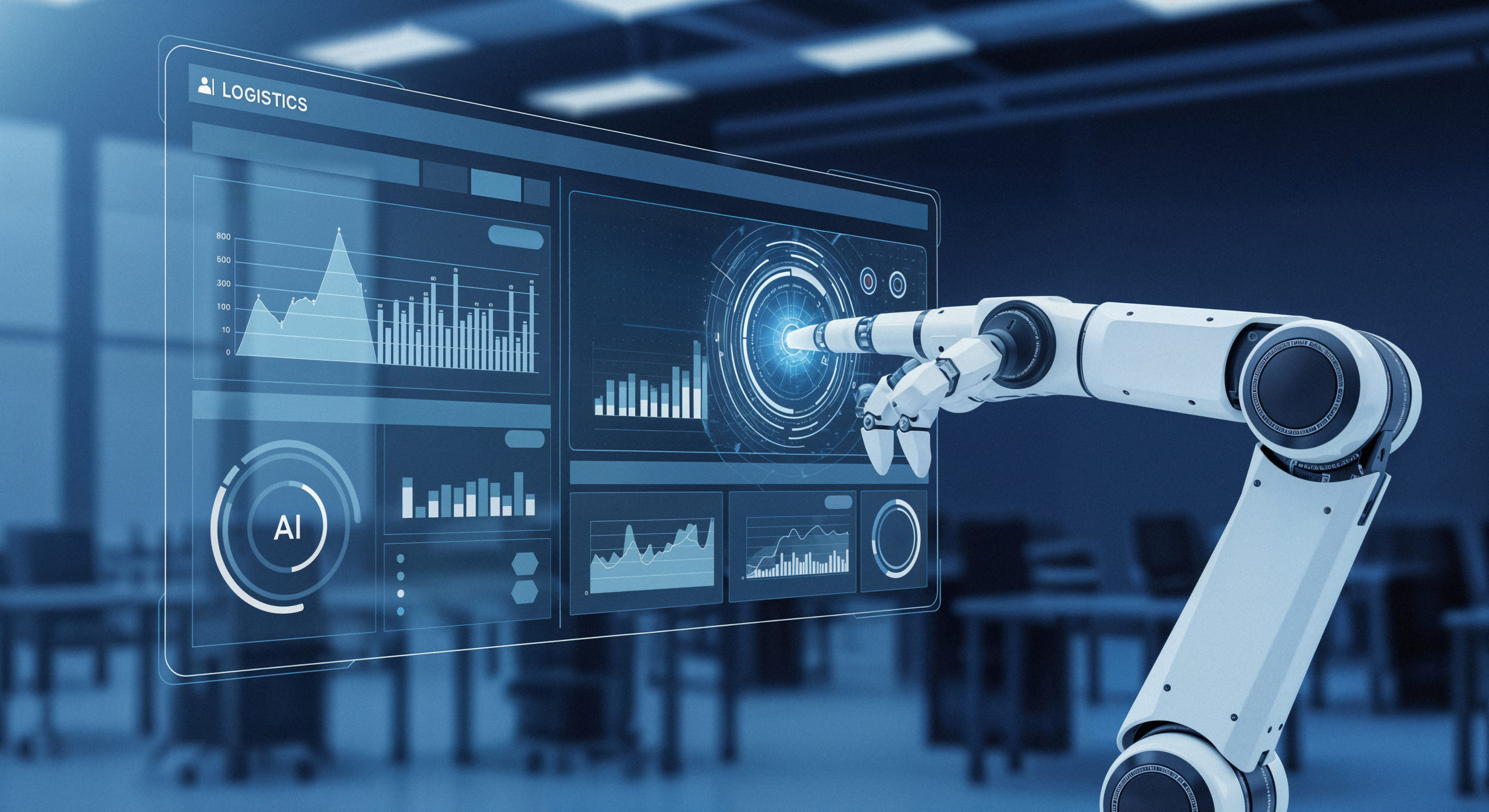
The way people interact with financial markets has changed dramatically over the last decade, and automation now sits at the centre of this shift. Modern traders are increasingly relying on API Trade to remove emotional bias and speed up execution in fast-moving markets. At the same time, Trading API Integration has become a powerful bridge between trading strategies and live market data, allowing systems to communicate seamlessly without constant human intervention.
The Rise of Automated Trading Systems
Not too long ago, trading meant staring at charts for hours and placing orders manually. Today, that method seems like the usage of a typewriter in a world of smartphones. Automated systems are designed to investigate information, detect patterns, and act immediately. This evolution didn’t manifest in a single day; it grew from the want for velocity, accuracy, and consistency in decision-making.
Why Speed Matters More Than Ever
Markets move in milliseconds. A delay of even a 2nd can mean the difference between profit and loss. Automation lets tasks be accomplished the instant situations are met. Think of it as cruise control for your vehicle—it maintains matters strolling easily without consistent changes, even if the street adjustments abruptly.
Reducing Human Error
Humans are emotional by using nature. Fear, greed, and hesitation can cloud judgment, especially during risky marketplace situations. Automated systems follow predefined regulations, not feelings. This helps reduce highly-priced errors and continues strategies consistent regardless of marketplace noise.
Consistency in Execution
One of the largest blessings of automation is reliability. When guidelines are sincerely described, systems execute them in the same manner on every occasion. This consistency is crucial for long-time period overall performance and method assessment.
How Data Becomes Action
At the coronary heart of automation lies facts. Price actions, quantity, developments, and indicators float constantly from exchanges. Automated setups remodel this uncooked information into actionable insights, much like a chef turning components right into a completed dish. The higher the statistics drift, the higher the final results.
Building Custom Trading Logic
Every trader thinks otherwise. Some prefer momentum-based techniques, whilst others focus on implied reversion or arbitrage. Automation permits techniques to be tailored exactly to character desires. Once logic is described, the system handles the heavy lifting, releasing time for studies and refinement.
Backtesting for Confidence
Before deploying any automatic approach, historical testing plays a critical role. By simulating trades on past statistics, traders can recognise how a method would possibly behave under unique marketplace situations. It’s like rehearsing before a massive overall performance.
Scaling Without Stress
Manual buying and selling limit how a great deal one person can deal with. Automation eliminates this bottleneck. Multiple contraptions, markets, or strategies can run simultaneously without additional pressure, making scaling a long way more achievable.
Risk Management Built Into Code
Risk is unavoidable in buying and selling; however, it can be managed. Automated structures can encompass predefined stop-losses, position sizing policies, and publicity limits. This built-in field acts like a protection net, defensive capital at some stage in unexpected market swings.
Transparency and Monitoring
Contrary to the perception that automation is a “set and forget” solution, tracking stays essential. Dashboards, logs, and indicators offer transparency into machine conduct. This ensures traders stay knowledgeable and may intervene if marketplace conditions change dramatically.
Adapting to Market Evolution
Markets evolve constantly. Strategies that laboured the day prior to this can also battle the next day. Automated systems can be up to date, optimised, or paused with minimal disruption. This flexibility permits traders to conform speedy, staying aligned with cutting-edge situations.
Learning From Performance Metrics
Automation generates precise performance information. Win rates, drawdowns, and execution first-rate may be analysed objectively. These insights help refine techniques and improve decision-making through the years.
Security and Reliability Considerations
Automation relies on solid infrastructure. Secure connections, reliable servers, and the right authentication are critical. Just like locking your house before leaving, defensive structures ensure peace of mind and uninterrupted operation.
The Human Role in an Automated World
Despite all the technology, humans still play an important role. Creativity, strategic wondering, and adaptability cannot be absolutely automatic. The first-class effects come from a partnership between human insight and gadget performance.
Future Outlook of Automated Trading
As the era advances, automation becomes even greater reachable. Smarter algorithms, progressed facts, and quicker execution will contribute to reshaping how markets operate. For investors willing to examine and adapt, the destiny seems both exciting and full of possibilities.
Conclusion
Automation has transformed buying and selling from a manual, emotion-driven hobby into a structured and information-driven process. By combining speed, consistency, and disciplined threat management, computerised structures empower traders to function more efficaciously in complex markets. While era handles execution, human perception stays essential for approach advent and evolution. Together, they shape a powerful approach to fashionable buying and selling.
