

Is the murky water hiding your fish? We have been there. The secret is not magic; it is filtration. Nail that one thing, and you are on your way from a green mess to a clear, healthy pond you can actually enjoy.
Your Pond’s Two-Part Cleanup Crew
Think of your filter as the pond’s workhorse team. It has two very different, but totally essential, jobs. You cannot expect to have one without the other and be successful.
- The Bouncer (Mechanical Filtration): This is the first line of defence. Its sole job is to physically trap solid gunk, fish waste, leftover food, leaves, you name it. Foam pads, filter brushes, and sieve screens are all mechanical heroes. If you skip this, the next stage gets smothered. It is simple: remove the solids first.
- The Invisible Heroes (Biological Filtration): This is where the real magic happens. You are building a tiny city for beneficial bacteria. These guys don’t eat the gunk; they process the invisible, toxic chemicals like ammonia from fish waste. They turn poison into less harmful stuff.
They live on porous surfaces, lava rock, ceramic media, and even those same foam pads. This colony takes weeks to grow, so patience is absolutely key! Scrubbing everything “clean” is a disaster for this system.
The Gear: Making Sense of the Options
Ok, so you need both types of filtration. What does that look like in the real world? Well, you can use separate units or a fancy all-in-one. The choices can make your head spin.
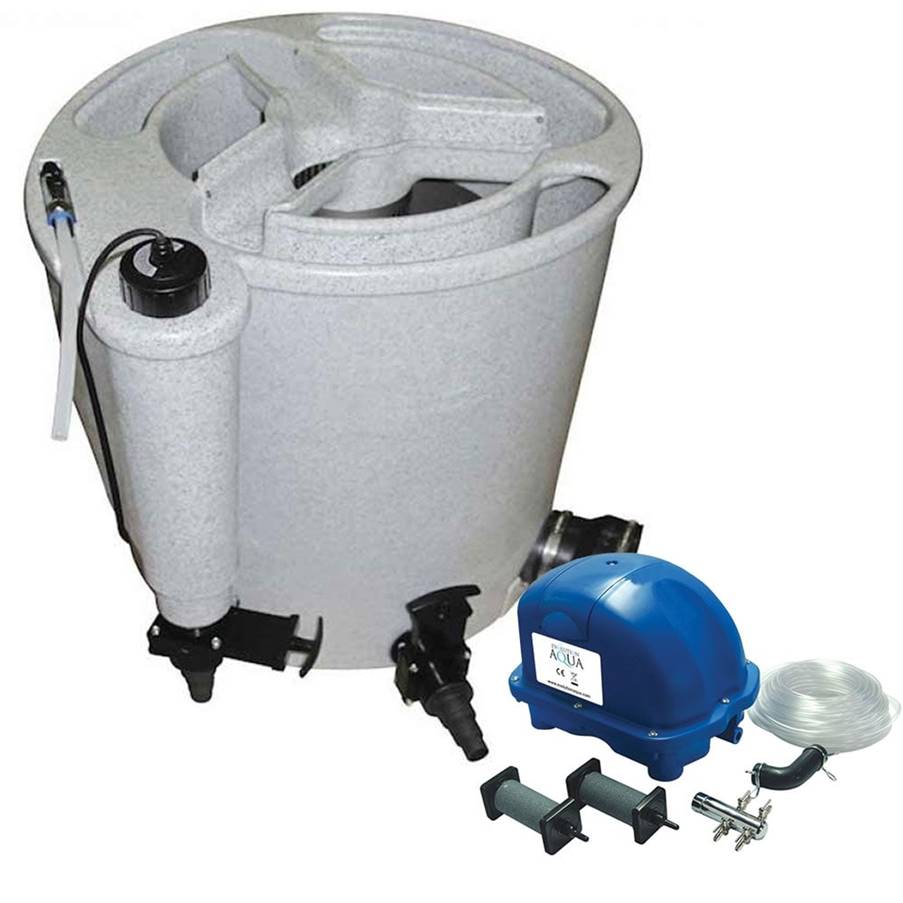
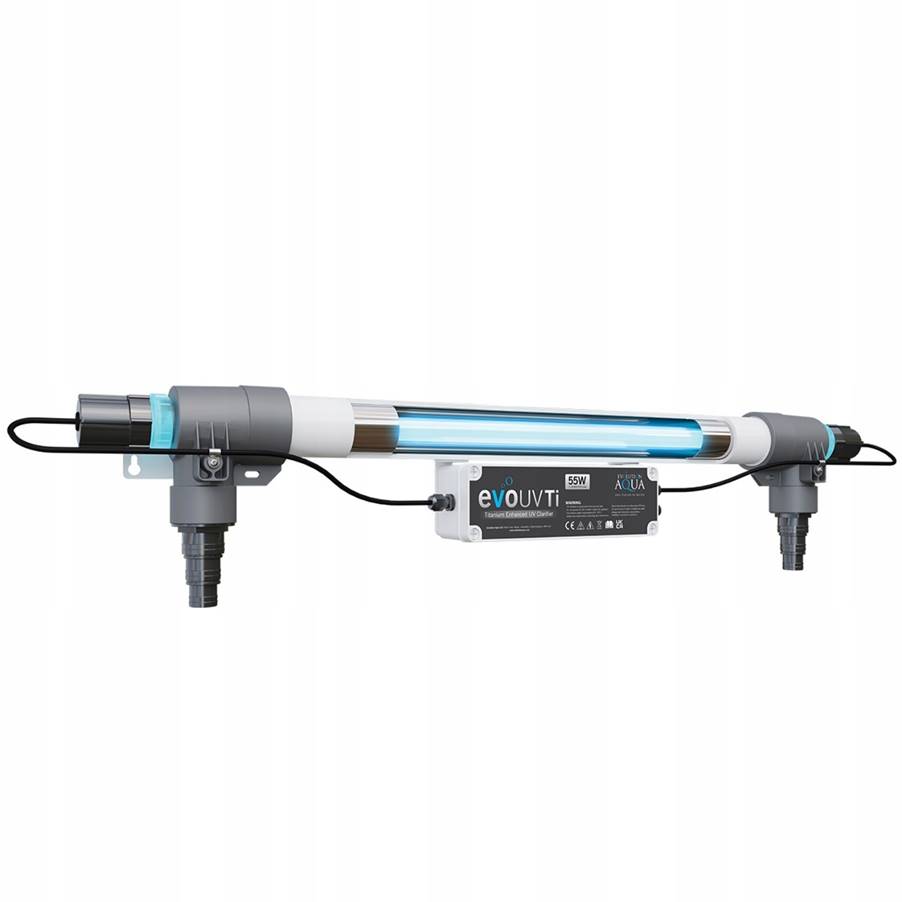
If you search online, That Pond Guy is the right company in the UK have a really clear way of explaining things. Seriously, their site cuts through the jargon. They stock this powerhouse unit, the Evolution Aqua Nexus 220 titanium with UV. It is a great example of a combo system; it handles the mechanical trapping, has loads of space for biological media, and even includes a UV clarifier to zap that green water algae. Seeing products like that helps you visualize how the whole process fits together in one tidy package.
A Few Truths
Books give you the theory, but ponds give you experience. Here is what you may learn.
- Bigger is almost always better. Buy a filter rated for a pond larger than yours. Fish grow, seasons change, things happen. That extra capacity is your peace of mind.
- Don’t be afraid of a little mess. Your biological media should never be sterilized. Rinse it in old pond water, not chlorinated tap water, to preserve those precious bacteria.
- Flow matters. Your pump and filter need to be matched. Too fast and waste gets blasted through; too slow and the system stagnates. It is a balancing act.
Getting this right means less work for you and a healthier home for your fish. It is not about achieving sterile perfection. It is about creating a balanced, thriving little ecosystem. When the filtration is humming along, you finally get to do what you wanted all along: just sit back, relax, and watch your koi glide effortlessly through clear water.
