

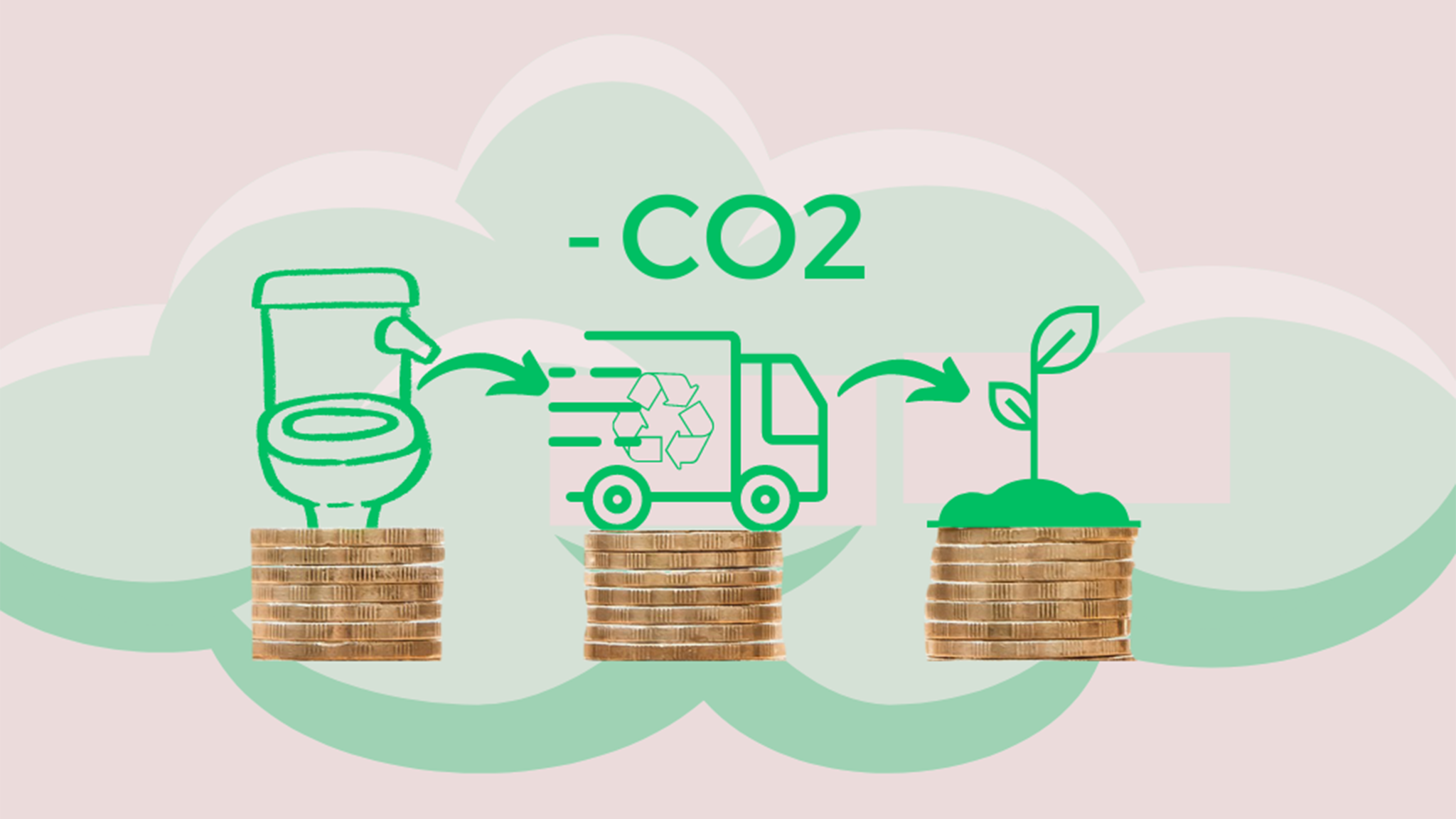
As global pressure to reduce emissions intensifies, carbon offset projects have become a critical tool for governments, landowners, corporations, and investors. However, not every carbon project is viable — and not every concept generates enough credits to justify the investment. That is why conducting a detailed Carbon Credit Feasibility Study is essential before starting any carbon offset initiative.
A Carbon Credit Feasibility Study evaluates whether a project can realistically generate certified carbon credits, comply with international standards, and achieve financial success. This article explains the core components, costs, certification challenges, returns, and decision-making criteria behind a professional Carbon Credit Feasibility Study.
What Is a Carbon Credit Feasibility Study?
A Carbon Credit Feasibility Study is a structured evaluation that determines whether a proposed carbon offset project can meet environmental standards, technical requirements, and financial expectations.
Its purpose is to answer fundamental questions such as:
• Is the project eligible for carbon credit generation under recognized standards (Verra, Gold Standard, CAR, ACR)?
• How many carbon credits can it realistically produce?
• What will it cost to implement, maintain, certify, and verify the project?
• What is the expected ROI under different credit price scenarios?
• Are there regulatory, environmental, or land-use barriers?
Professional firms like HafeziCapital specialize in producing feasibility studies to help investors validate carbon project viability and minimize risk before committing capital.
Key Components of a Carbon Credit Feasibility Study
A robust Carbon Credit Feasibility Study includes multiple analytical layers:
1. Project Eligibility Assessment
• Evaluation of project type: reforestation, afforestation, avoided deforestation, regenerative agriculture, methane capture, renewable energy, blue carbon, etc.
• Assessment of baseline emissions — what would happen without the project.
• Determining “additionality”—a requirement proving the project creates emissions reductions beyond business-as-usual.
• Checking geographic, ecological, and regulatory feasibility.
2. Carbon Credit Methodology Selection
Every Carbon Credit Feasibility Study must select the correct methodology to calculate emissions reductions.
• Identification of applicable standards (e.g., Verra VCS, Gold Standard, ACR, Plan Vivo).
• Requirements for monitoring, reporting, and verification (MRV).
• Permanence and leakage considerations.
• Technical modeling tools needed for credit calculations.
3. Carbon Yield Forecasting
This step determines how many credits the project can produce annually.
• Biomass growth models for forestry projects.
• Soil carbon sequestration models for agriculture.
• Methane capture efficiency for waste-to-energy or livestock projects.
• Degradation or risk adjustments.
Accurate forecasting is essential for understanding long-term project profitability.
4. Financial Feasibility & ROI Modeling
A Carbon Credit Feasibility Study includes a detailed financial analysis:
• Upfront investment costs (site preparation, planting, technology, MRV setup).
• Ongoing operational costs (maintenance, verification audits, reporting).
• Certification fees and registry charges.
• Projected carbon credit volume and pricing scenarios (low, medium, high).
• 10–30 year revenue forecasts.
• NPV, IRR, and payback period calculations.
With voluntary carbon market prices ranging widely — often between $3 and $25 per credit depending on the category — accurate modeling is essential.
5. Environmental & Social Impact Assessment
High-quality carbon projects must deliver co-benefits.
• Biodiversity impact.
• Community engagement.
• Employment creation.
• Climate resilience.
• Long-term ecosystem health.
These factors also help meet certification requirements and maximize credit value.
6. Regulatory & Legal Review
A Carbon Credit Feasibility Study must identify all legal requirements:
• Land ownership and long-term land-use rights.
• Environmental regulations.
• Permits for project development.
• Requirements for carbon project permanence (20–100 years).
Legal compliance issues can often determine whether a project is viable.
7. Risk Assessment
Common risks include:
• Disease, pests, fire, or drought in forestry projects.
• Market volatility in carbon credit prices.
• Changes in regulation.
• Challenges in third-party verification.
• Leakage (emissions shifting outside project boundaries).
A strong feasibility study offers mitigation strategies for each identified risk.
Expected Costs of a Carbon Credit Feasibility Study
Costs vary based on project size, methodology complexity, and region. Common cost elements include:
• Technical modeling and environmental surveys
• Legal analysis and land-use verification
• Economic modeling and ROI forecasting
• MRV system planning
• Stakeholder consultations
• Satellite or drone-based ecological assessments
For large-scale forestry or agricultural initiatives, a full feasibility assessment can require significant investment — but prevents millions in lost revenue from failed certification.
Expected Returns: How Profitable Can Carbon Projects Be?
A well-designed project backed by a professional Carbon Credit Feasibility Study can generate long-term, stable income. Returns depend on:
• Annual carbon yield (credits/year)
• Market price (voluntary or compliance markets)
• Project category (nature-based credits often sell at a premium)
• Certification standard (VERRA or Gold Standard often command higher prices)
• Investor appetite and credit demand
Many projects produce returns over 20–30 years, creating multi-decade revenue streams.
Why a Professional Firm Matters
Companies like HafeziCapital provide end-to-end strategic, financial, and technical expertise to ensure every Carbon Credit Feasibility Study meets international requirements. Their experience with economic modeling, risk assessment, and global standards increases the likelihood that a project:
• Passes certification
• Generates the expected number of credits
• Attracts investor funding
• Achieves long-term profitability
Expert guidance minimizes guesswork and reduces exposure to hidden risks.
A Carbon Credit Feasibility Study is an essential tool for anyone considering a carbon offset project. It reveals whether the initiative is technically viable, economically profitable, and certifiable under global carbon markets. With precise modeling, strong data, and expert support, investors and landowners can make informed decisions that drive both environmental impact and financial performance.
A well-prepared Carbon Credit Feasibility Study ensures that your project is not only environmentally beneficial — but also financially sustainable for decades to come.
